Sun Protection and Skin Health
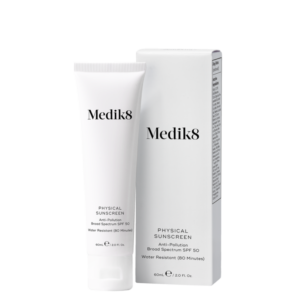
Whilst enjoying the sun and the benefits of Vitamin D, it is also important to protect the skin from damage. Skin cancer remains one of the fastest growing cancers in the UK.
Sun damage is also the leading cause of premature ageing, often showing first as pigmentation changes such as freckles or uneven skin tone. These signs of photoageing can appear on both the face and body, most commonly in fair-skinned individuals.
Types of Pigmentation and Sun Damage
Freckles are a common form of sun-related pigmentation and may appear anywhere on the face or body. The level of pigmentation can indicate the degree of sun exposure and damage over time.
Dermal (deeper) pigmentation is generally more difficult to treat than epidermal pigmentation, which sits closer to the skin’s surface.
Melasma is another form of pigmentation, often presenting as larger, irregular patches on the cheeks, temples and forehead. It is commonly influenced by hormonal changes and is more frequently seen in women, particularly during pregnancy. In many cases, it can improve when hormonal influences settle, but it may persist or recur.
UVA and UVB Protection
Sunscreens play a vital role in protecting the skin from UV damage, but not all sunscreens offer the same level of protection.
UVB rays are responsible for burning the skin
UVA rays penetrate deeper and contribute significantly to skin ageing and long-term damage
SPF products mainly measure protection against UVB rays, but it is essential to choose a broad-spectrum sunscreen that protects against both UVA and UVB.
Even with sunscreen, protection is not absolute, so it should be combined with sensible sun exposure habits.
Choosing the Right Sunscreen
A broad-spectrum physical sunscreen containing reflective filters such as zinc oxide offers reliable protection against both UVA and UVB rays.
Medik8 physical sunscreens are designed to support skin health while providing effective daily protection.
It is important to apply sunscreen as the final step in your skincare routine, after all other products.
Moisturisers containing SPF may not provide sufficient protection on their own, as SPF is only one component within a wider formulation.
Supporting Skin Protection
For additional defence against environmental damage, antioxidant ingredients such as Vitamin C can help support the skin and reduce free radical stress caused by UV exposure.
While sunscreen is essential, prolonged sun exposure should still be avoided where possible, even when using high SPF protection.
Skin Protection and Long-Term Health
Consistent sun protection is one of the most effective ways to maintain healthy, resilient skin and reduce the risk of premature ageing and sun-related skin damage.