Skin Hydration: Why Moisture Matters
Healthy skin depends on hydration. While the terms hydration and moisturising are often used interchangeably, they actually describe two different but equally important processes within the skin.
Understanding the difference can help explain why some skins feel dry, tight or uncomfortable despite regular use of moisturiser.
Hydration vs Moisturising
Hydration refers to the water content within the skin. Well-hydrated skin appears plumper, smoother and more radiant.
Moisturising focuses on supporting the skin barrier and preventing moisture from escaping. Moisturisers help soften and protect the skin surface, reducing dryness and improving comfort.
Most skincare products contain a combination of:
Humectants, which attract and hold water within the skin
Emollients, which smooth and soften the skin surface
Occlusive ingredients, which help prevent moisture loss
For optimum skin health, both hydration and moisturisation are important.
Why Hydration Matters
Water plays a vital role in healthy skin function. When the skin becomes dehydrated, it can appear:
Dull and tired
Tight or uncomfortable
Rough in texture
More prone to fine lines and wrinkles
Adequate hydration also supports the skin's natural repair processes and contributes to the production of collagen, which helps maintain firmness and volume.
The Role of Hyaluronic Acid
One of the most effective ingredients for skin hydration is hyaluronic acid.
Hyaluronic acid occurs naturally within the body and has the remarkable ability to attract and retain large amounts of water. Different molecular sizes perform different functions within the skin.
Some forms remain closer to the surface, helping to:
Improve smoothness
Strengthen the skin barrier
Reduce moisture loss
Smaller molecular forms can penetrate deeper, where they help support hydration reserves and create an environment that encourages healthy collagen production.
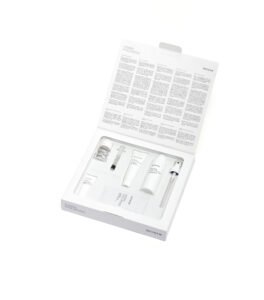
Skeyndor Power Hyaluronic Facial
The Skeyndor Power Hyaluronic facial is specifically designed to improve hydration throughout multiple layers of the skin.
The treatment combines:
Gentle exfoliation to improve product penetration
Concentrated hyaluronic acid formulations
Electroporation technology to enhance absorption
Relaxing facial massage
Hydrating mask therapy
Protective finishing products
The result is skin that feels softer, smoother and more comfortable, with improved radiance and elasticity.
Hydration and Ageing
As we age, the skin naturally produces less hyaluronic acid. This reduction can contribute to:
Fine lines and wrinkles
Loss of plumpness
Reduced elasticity
Increased dryness and sensitivity
Maintaining hydration levels becomes increasingly important in supporting healthy, youthful-looking skin.
Winter Dehydration
Many people associate dehydration with summer, but winter conditions can be equally challenging.
Factors that contribute to winter dehydration include:
Cold winds
Central heating
Indoor heating systems
Reduced humidity levels
Hot showers and baths
These environmental stresses can weaken the skin barrier and accelerate moisture loss.
Supporting Hydration at Home
Professional treatments are most effective when combined with good daily skincare habits.
Simple steps include:
Using hydrating serums and moisturisers
Avoiding harsh cleansers
Applying daily sun protection
Drinking adequate fluids
Protecting the skin from extreme weather conditions
With the right combination of professional treatments and homecare, skin can maintain its hydration, comfort and healthy appearance throughout the year.