Home Facial
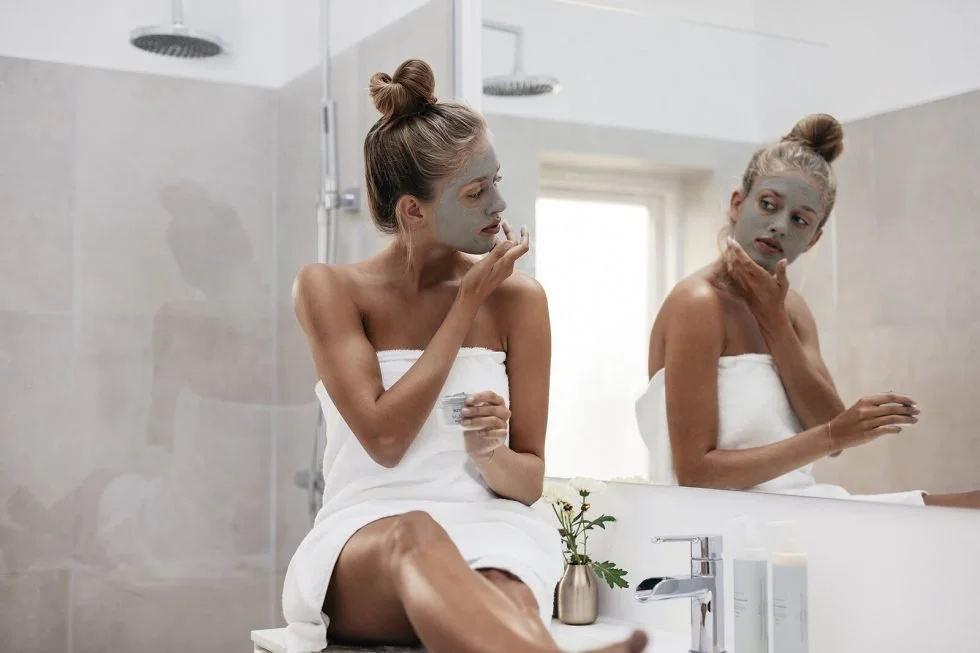
A home facial is a simple but effective way to support skin health between professional treatments. It helps maintain hydration, improve skin texture and keep the complexion looking fresh and balanced without needing an intensive salon procedure.
While professional treatments deliver deeper correction and advanced results, a home facial routine focuses on consistency, gentle care and maintaining the skin’s natural barrier function.
What is a Home Facial?
A home facial is a structured skincare routine that mimics the steps of a professional facial, adapted for use at home. It typically includes cleansing, exfoliation, treatment products, hydration and protection.
When done regularly, it helps to:
Remove daily build-up of oil, makeup and impurities
Support healthy skin cell turnover
Improve hydration and softness
Maintain a clearer, brighter complexion
Enhance the results of professional treatments
Steps in a Simple Home Facial Routine
A home facial does not need to be complicated. The most effective routines focus on consistency rather than using too many products.
1. Cleanse
Start by thoroughly cleansing the skin to remove makeup, SPF and daily impurities. This ensures the skin is clean and ready to absorb active ingredients.
2. Exfoliate (1–2 times per week)
Gentle exfoliation helps to remove dead skin cells and smooth the surface of the skin. This can improve brightness and allow skincare products to work more effectively.
Over-exfoliation should be avoided, especially for sensitive or dry skin types.
3. Treat
This step involves applying targeted serums or active ingredients to address specific skin concerns such as ageing, dehydration, pigmentation or congestion.
Ingredients commonly used in this step include vitamin A (retinol), vitamin C and hydrating complexes.
4. Mask (optional but beneficial)
A mask can provide an additional boost of hydration, nourishment or purification depending on skin needs. This step is particularly useful when the skin feels tired or dehydrated.
5. Moisturise
Moisturiser helps to lock in hydration and support the skin barrier. Choosing a suitable formulation for your skin type is essential for maintaining balance.
6. Protect (morning routine)
If the home facial is done in the morning, SPF should always be the final step. Daily sun protection is essential for preventing premature ageing and supporting long-term skin health.
Benefits of Regular Home Facials
When performed consistently, a home facial routine can make a noticeable difference to skin quality. Benefits include:
Improved hydration and comfort
Smoother skin texture
More even tone and brightness
Better product absorption
Reduced build-up and congestion
It also helps to maintain results achieved through professional treatments such as facials, peels or advanced skin therapies.
Home Care vs Professional Treatment
A home facial should be seen as supportive care rather than a replacement for professional treatments.
Professional treatments work deeper within the skin to stimulate collagen, improve structure and address more advanced concerns. A home routine helps to maintain and extend those results between appointments.
The combination of both approaches creates the best long-term outcome for skin health and appearance.
Building a Consistent Routine
The most important factor in any skincare routine is consistency. Even a simple routine performed regularly is more effective than an occasional complex one.
Understanding your skin type and choosing products that support, rather than overwhelm, the skin barrier is key to achieving lasting improvements.
With the right balance of professional treatments and home care, the skin can remain healthy, balanced and resilient.